Laura Crew
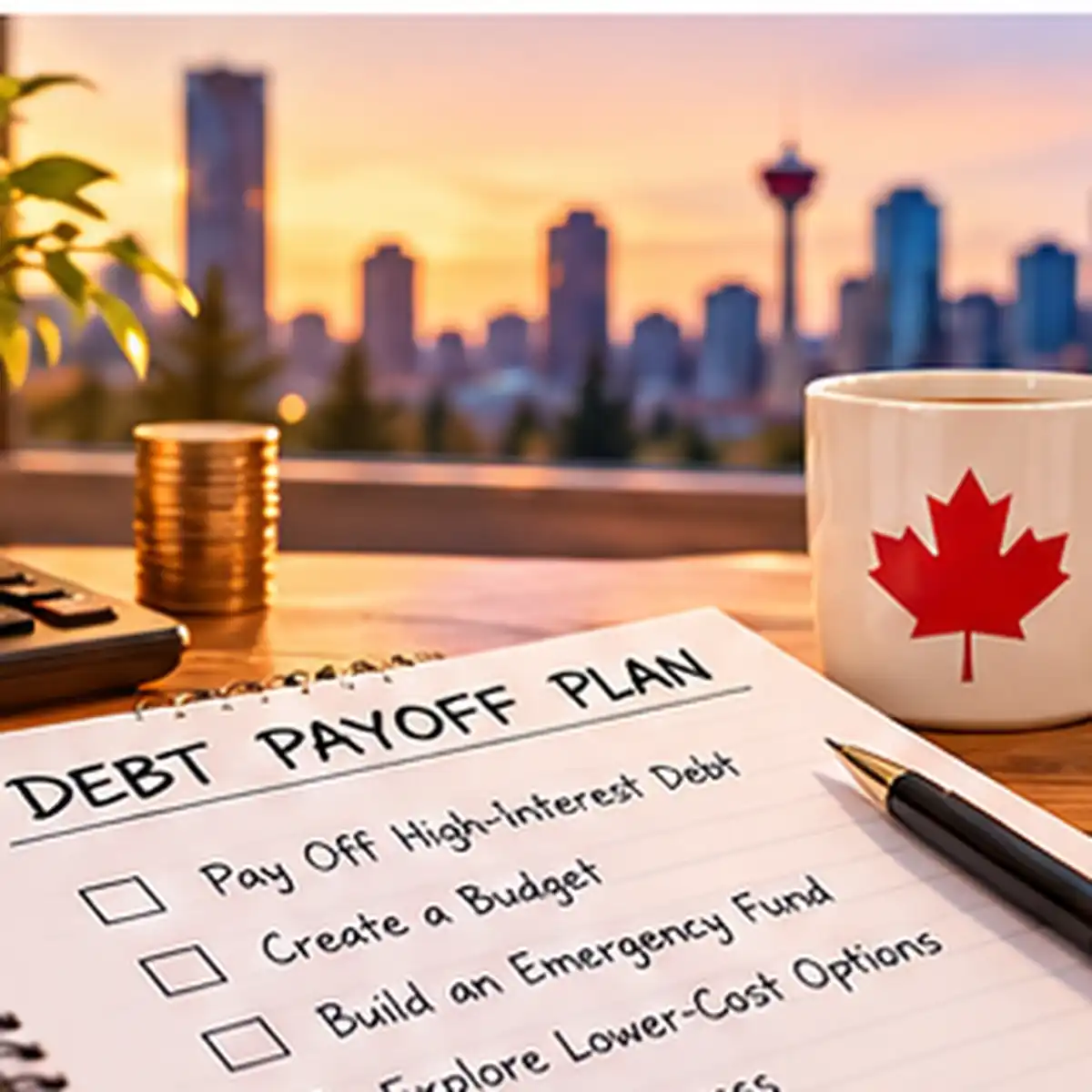
 Managing several debts simultaneously can create financial pressure, especially when credit cards, personal loans, and other obligations have different payment dates and interest charges. Some Canadians investigate consolidation as a way to simplify repayments or potentially reduce borrowing costs. Consumers researching online loans for debt consolidation in Alberta should understand how consolidation works, how to compare offers, and why replacing existing debts with a new loan is not always the most affordable choice.
Understanding Debt Consolidation
Debt consolidation involves combining multiple financial obligations into a new borrowing arrangement.
For example, someone with balances on several credit cards may obtain an eligible personal loan and use the funds to repay those balances.
Instead of managing multiple credit card payments, the borrower then makes payments according to the new loan agreement.
This can simplify budgeting and repayment tracking.
However, consolidation does not eliminate the original debt.
It changes how the money is owed and potentially changes the borrowing cost.
Why Canadians Consider Consolidation
People investigate debt consolidation for several reasons.
Managing numerous payment dates can be difficult, particularly when income arrives on a different schedule.
A single predictable payment may make financial planning easier.
Some borrowers also hope to reduce their interest costs by replacing expensive credit card balances with financing offered at a lower rate.
Whether this produces savings depends on the new loan’s terms.
A lower monthly payment alone does not establish that consolidation is financially beneficial.
Comparing Interest Rates and Fees
Before consolidating debt, calculate the amount currently owed and the interest rates charged on each account.
Next, review the proposed consolidation loan.
Compare the interest rate, applicable fees, repayment period, and total amount payable.
A loan with a lower interest rate may offer savings if additional fees do not offset the benefit.
However, extending repayment over a longer period could increase total interest charges.
Borrowers should examine the complete financial picture instead of focusing only on the monthly payment.
Understanding Different Consolidation Products
Several financial products may be used for consolidation, depending on eligibility.
An unsecured personal instalment loan may provide a fixed repayment schedule.
Certain lines of credit offer more flexible repayment arrangements, although variable rates and ongoing borrowing can introduce additional risks.
Homeowners may also investigate secured financing, but this can put property at risk if repayment obligations are not met.
Payday loans are generally unsuitable for debt consolidation.
Their short terms and high borrowing costs can make existing financial difficulties worse.
Creating a Complete Debt Inventory
Before applying for financing, prepare a list of existing debts.
Record each balance, interest rate, minimum payment, and payment date.
Also include any relevant fees and penalties.
This information helps determine whether consolidation would simplify payments or reduce total costs.
Without an accurate inventory, borrowers may underestimate the amount required.
They may also overlook obligations that continue after the consolidation loan is arranged.
Avoiding New Debt After Consolidation
One major risk occurs when borrowers consolidate credit card balances but then begin using those cards again.
The household can end up owing both the consolidation loan and new credit card debt.
To avoid this outcome, create a realistic spending plan and establish limits on future borrowing.
Consider whether changes to recurring expenses or financial habits are necessary.
Consolidation is most useful when combined with a sustainable repayment strategy.
Considering Credit Counselling
Consumers struggling with multiple debts may benefit from speaking with a reputable nonprofit credit counselling organization.
A counsellor can help review household finances and explain possible debt management approaches.
Depending on the circumstances, alternatives may include creditor payment arrangements or a structured debt management plan.
People experiencing serious financial difficulties may also need information about formal debt-relief options available in Canada.
The appropriate solution depends on the amount owed, income, assets, and individual circumstances.
Calculating Repayment Affordability
Even if consolidation reduces the number of monthly payments, the new obligation must remain affordable.
Calculate available income after essential expenses.
Determine whether the proposed payment fits comfortably within that amount.
Consider potential changes in income or household expenses.
If repayment relies on borrowing again, the consolidation plan may not address the underlying financial problem.
Making Debt Consolidation Work
Debt consolidation can simplify financial management and may reduce borrowing costs for some eligible consumers.
However, the outcome depends on the terms of the new agreement and the borrower’s financial habits.
Comparing total repayment amounts, avoiding unnecessary new debt, and maintaining a realistic budget are essential.
For Canadians considering online consolidation loans, the goal should be to reduce financial pressure and establish a manageable path toward repayment, not simply move existing debt into a different account.